Speed, Skill, and the Spirit of the Game
Ice hockey is one of the fastest, most physically demanding, and emotionally charged sports in the world. Played on a sheet of ice with razor-sharp skates, flying pucks, and split-second decisions, hockey blends raw athleticism with intricate strategy. From frozen ponds and neighborhood rinks to sold-out arenas and global championships, the sport has carved out a unique place in athletic culture. Ice hockey is not just a game of goals and saves—it is a test of courage, teamwork, and relentless pace that captivates players and fans alike.
Origins and Evolution of Ice Hockey
The roots of ice hockey trace back to the cold climates of Canada and northern Europe, where early versions of stick-and-ball games were played on frozen lakes and rivers. By the late 19th century, organized rules began to take shape in Canada, transforming informal winter pastimes into a structured sport. Indoor rinks, standardized equipment, and codified rules allowed hockey to grow rapidly.
Professional leagues soon followed, with the formation of the National Hockey League in 1917 marking a turning point in the sport’s history. What began as a small league has since expanded into a global powerhouse, influencing how hockey is played, coached, and consumed worldwide. Over time, rule changes improved player safety, increased scoring opportunities, and emphasized speed and skill, helping hockey evolve into the modern spectacle fans recognize today.
The Basics of the Game
Ice hockey is played between two teams of six players each—three forwards, two defensemen, and one goaltender. The objective is simple: score more goals than the opposing team by shooting the puck into the opponent’s net. Beneath that simplicity lies a complex system of positioning, timing, and tactical awareness.
Games are divided into three periods, typically lasting 20 minutes each at the professional level. The continuous flow of play, combined with frequent line changes, keeps players fresh and maintains a relentless tempo. Physical contact is legal and expected, but it exists alongside finesse skills like passing, puck control, and precise shooting. This balance between toughness and technique is one of hockey’s defining traits.
Speed, Skill, and Physicality
What sets ice hockey apart from many other sports is its unmatched speed. Players glide across the ice at high velocities, changing direction in an instant while handling a puck that can travel over 100 miles per hour. Reaction time is critical, especially for goaltenders who must read shots through traffic and make lightning-fast saves.
Physicality is also central to the game. Body checking, board battles, and net-front scrums demand strength and resilience. Yet hockey is not merely a test of brute force. Elite players excel because of their skating efficiency, hockey IQ, and creativity. Legends like Wayne Gretzky demonstrated that anticipation and vision can be just as powerful as size and strength, redefining what excellence looks like on the ice.
Strategy and Team Dynamics
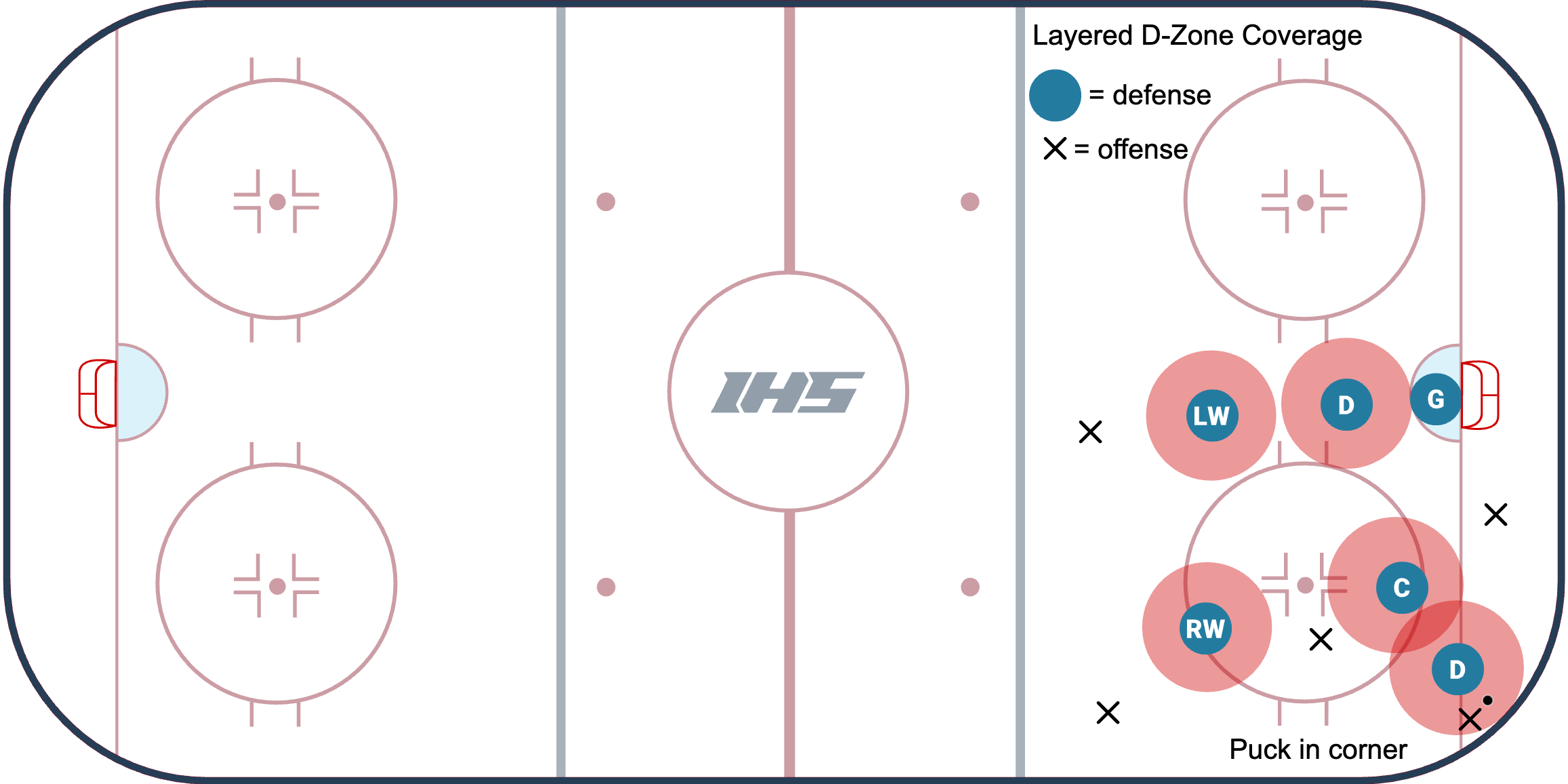
Behind the speed and physicality lies a deeply strategic sport. Coaches design systems that dictate how teams attack, defend, and transition between the two. Forechecking schemes pressure opponents in their own zone, while defensive structures aim to limit high-quality scoring chances.
Special teams play a crucial role. Power plays reward teams when the opponent commits a penalty, while penalty killing units focus on discipline, positioning, and sacrifice. Line chemistry is equally important—players must anticipate teammates’ movements and trust one another in high-pressure moments. Hockey’s reliance on synchronized effort makes teamwork not just important, but essential.
Global Growth and International Competition
Although ice hockey’s heart remains in Canada, the sport has grown far beyond its original borders. Strong hockey cultures now thrive in the United States, Sweden, Finland, Russia, and the Czech Republic, among others. International tournaments showcase diverse playing styles, from the disciplined systems of European teams to the physical intensity often associated with North American hockey.
The Olympic Games and world championships have elevated hockey’s global profile, introducing new fans to the sport’s excitement. These events also inspire young players, proving that hockey excellence can emerge from many different countries and backgrounds.
The Stanley Cup and Hockey Tradition
Few trophies in sports carry the mystique of the Stanley Cup. Awarded annually to the NHL champion, the Cup represents endurance, sacrifice, and ultimate achievement. Winning it requires success across a grueling regular season and an intense playoff gauntlet where every shift matters.
The traditions surrounding the Stanley Cup—players hoisting it overhead, engraving names, and sharing it with teammates and communities—reinforce hockey’s deep respect for its history. These rituals connect generations of players and fans, reminding everyone that today’s heroes stand on the shoulders of those who came before.


Youth Development and Community Impact
At the grassroots level, ice hockey plays a powerful role in shaping character and community. Youth programs teach more than skating and shooting; they emphasize discipline, perseverance, and respect. Early morning practices, long road trips, and shared locker room experiences create bonds that last a lifetime.
Hockey also brings communities together. Local rinks serve as social hubs, hosting games, practices, and events that unite families and fans. In colder regions, outdoor rinks revive the sport’s original spirit, offering accessible spaces where anyone can play. These community roots are vital to hockey’s continued growth and inclusivity.
Technology and the Modern Game
Advancements in technology have transformed ice hockey in recent decades. Improved equipment enhances player safety without sacrificing performance, while analytics provide teams with deeper insights into player tendencies and game situations. Video review and tracking data allow coaches to fine-tune strategies and evaluate decisions with greater precision.
Broadcast innovations have also brought fans closer to the action. High-definition cameras, advanced statistics, and immersive storytelling help audiences appreciate the subtleties of the game. Technology ensures that while hockey honors tradition, it continues to adapt to a modern sports landscape.
Why Ice Hockey Endures
Ice hockey’s enduring appeal lies in its intensity and authenticity. The sport demands complete commitment—players block shots, battle for loose pucks, and play through pain for the sake of their team. Fans sense this honesty and respond with loyalty and passion.
Every game tells a story, shaped by momentum swings, heroic saves, and clutch goals. Whether watched live in an arena or followed from afar, hockey delivers drama that feels earned rather than manufactured. It is a sport where effort matters, teamwork prevails, and respect for the game runs deep.
Conclusion
Ice hockey is more than a winter sport; it is a celebration of speed, skill, and human resilience. From its humble beginnings on frozen ponds to the grand stages of professional and international competition, hockey has evolved while staying true to its core values. It challenges players physically and mentally, unites communities, and inspires generations.
In every faceoff, every rush down the ice, and every last-second save, ice hockey showcases what makes sport meaningful—passion, perseverance, and the thrill of shared experience. That is why, long after the final horn sounds, the spirit of the game continues to resonate.